Get Fly Infestation Extermination
Fly infestation extermination services help property owners eliminate flies and prevent future outbreaks in residential and commercial spaces through professional pest control solutions.
Fly infestations can quickly become a nuisance for property owners, impacting comfort and hygiene. If you're experiencing persistent fly problems or want to prevent future issues, exploring professional extermination options is a practical step. Local contractors specializing in fly control offer solutions tailored to your property's needs, helping to create a cleaner and more comfortable environment.
When planning pest management projects, it’s helpful to compare different local service providers to find the right fit for your situation. Many property owners consider professional fly extermination to protect their spaces from ongoing infestations or to maintain a healthier setting. Continuing to read can provide valuable insights into how local experts can assist with effective fly control solutions.
- Common Projects Services
- Fly infestation extermination - when flies have become a persistent nuisance in residential or commercial spaces.
- Fly breeding site removal - needed when identifying and eliminating breeding areas to prevent further infestations.
- Sanitation and cleanup - essential after a fly infestation to restore cleanliness and reduce attractants.
- Fly trap installation - useful for ongoing control and monitoring of fly activity in affected areas.
- Infestation prevention consulting - when seeking advice on measures to avoid future fly problems.
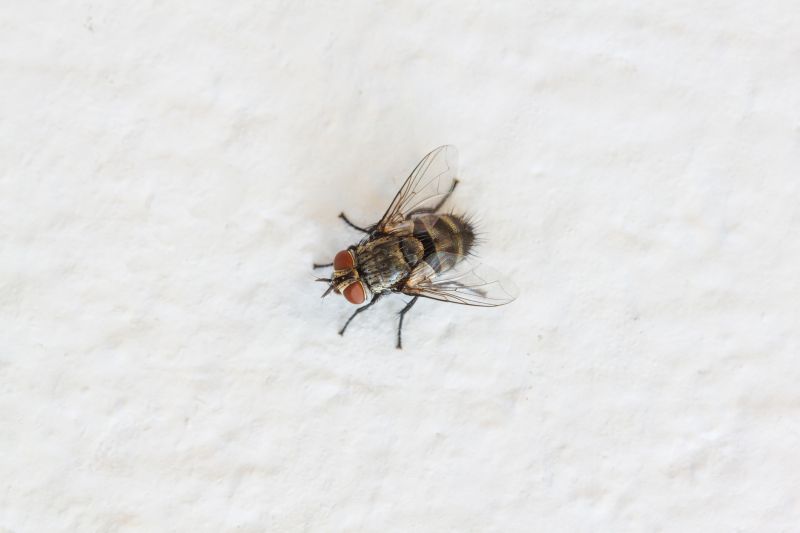
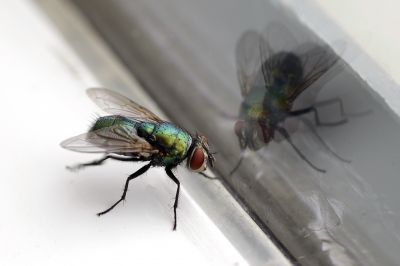
Fly infestation extermination services involve identifying and eliminating flies that have become a nuisance or pose health concerns within a property. These services typically include thorough inspections to locate breeding sites and entry points, followed by targeted treatments to remove adult flies and prevent future infestations. Service providers may use a combination of traps, insecticides, and sanitation recommendations to ensure the problem is addressed effectively and safely. Properly executed fly control can restore comfort and hygiene to a home or business environment.
Infestations of flies can lead to various problems, including the spread of bacteria and other pathogens, unpleasant odors, and general discomfort. Flies are often attracted to food sources, garbage, and moist environments, making them common in kitchens, dining areas, and waste storage zones. Left untreated, a fly problem can escalate quickly, leading to increased health risks and a decline in cleanliness. Professional extermination services help resolve these issues by removing flies efficiently and implementing measures to reduce the chance of recurring infestations.
Many types of properties benefit from fly infestation extermination, including residential homes, restaurants, grocery stores, and food processing facilities. Homes with uncovered trash or pet waste are particularly vulnerable, especially during warmer months when flies are more active. Commercial properties that handle food or have high foot traffic may also require regular fly control to maintain sanitary standards. Regardless of property type, professional services can help identify the source of the problem and implement effective solutions to keep flies at bay.
Homeowners and property managers often seek fly extermination services when they notice an increase in fly activity or suspect breeding sites nearby. Common signs include swarms around trash cans, fruit, or drains, as well as visible adult flies inside the building. If flies are persistent despite cleaning efforts, or if there are concerns about hygiene and health, it’s advisable to contact local service providers. These professionals can assess the situation, recommend appropriate treatments, and help maintain a clean, fly-free environment.
The overview below groups typical Fly Infestation Extermination projects into broad ranges so you can see how smaller, mid-sized, and larger jobs often compare in your area.
In many markets, a large share of routine jobs stays in the lower and middle ranges, while only a smaller percentage of projects moves into the highest bands when the work is more complex or site conditions are harder than average.
Basic Treatments - Most routine fly infestation extermination services typically cost between $250 and $600. Many small-scale jobs fall within this range, covering standard residential or minor commercial areas. Costs may vary based on the size of the space and severity of the infestation.
Moderate Extermination - For more extensive fly problems, local contractors often charge between $600 and $1,200. These projects usually involve larger areas or more thorough treatments, with fewer jobs reaching the higher end of this range.
Large-Scale Projects - Larger or more complex fly infestations, such as those involving commercial facilities or difficult-to-access areas, can range from $1,200 to $3,000. Such projects are less common but necessary for severe or persistent issues.
Full Replacement or Long-Term Solutions - Complete removal and preventative measures for large properties may cost $3,000 or more, with some specialized cases exceeding $5,000. These are typically reserved for extensive infestations requiring comprehensive treatment plans.
Actual totals will depend on details like access to the work area, the scope of the project, and the materials selected, so use these as general starting points rather than exact figures.
Rodent Extermination Projects - these involve identifying and eliminating rodent nests and entry points, utilizing similar pest control strategies as fly infestation treatments.
Mosquito Control Services - managing mosquito breeding sites requires planning and application of targeted treatments, comparable to fly elimination methods.
Spider Pest Removal - removing spiders from residential or commercial spaces involves inspection and targeted pest control techniques similar to those used for flies.
Ant Control Projects - these projects focus on locating ant colonies and applying appropriate treatments, sharing planning and application skills with fly extermination.
Bee and Wasp Nest Removal - safely removing nests involves assessment and removal procedures that align with pest management practices for flying insects.
Stored Product Pest Control - managing pests like pantry beetles involves inspection and treatment strategies comparable to fly infestation control efforts.

When comparing service providers for fly infestation extermination, it’s important to consider their experience with similar projects. Homeowners should look for local contractors who have a proven track record in handling fly infestations, especially in environments similar to their own. An experienced professional is more likely to understand the common causes of fly problems and employ effective strategies tailored to different situations, leading to more reliable results.
Clear, written expectations are essential when selecting a local contractor. Homeowners should seek providers who can articulate their approach to fly extermination in detail, including the methods they plan to use and what the client can expect during and after the treatment. Having this information in writing helps ensure both parties are aligned on the scope of work and reduces the chances of misunderstandings or surprises.
Reputable references and good communication are key factors to consider. Local service providers with positive references from previous clients demonstrate a history of satisfactory work. Additionally, clear and prompt communication throughout the process can help homeowners feel confident about the professionalism and responsiveness of the contractor. It’s important to choose a provider who is transparent, approachable, and willing to answer questions, as these qualities contribute to a smoother and more successful extermination experience.
Property owners use Fly Infestation Extermination services for practical projects around their homes and businesses. This guide focuses on everyday jobs and straightforward project options.
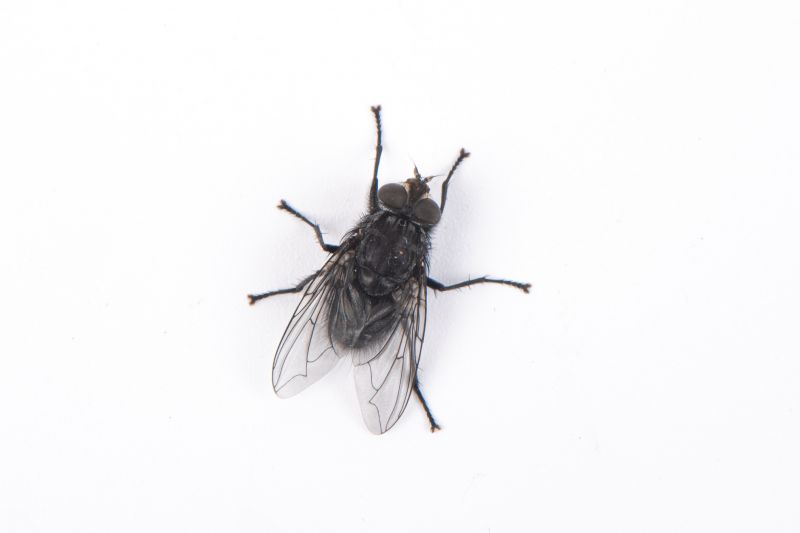
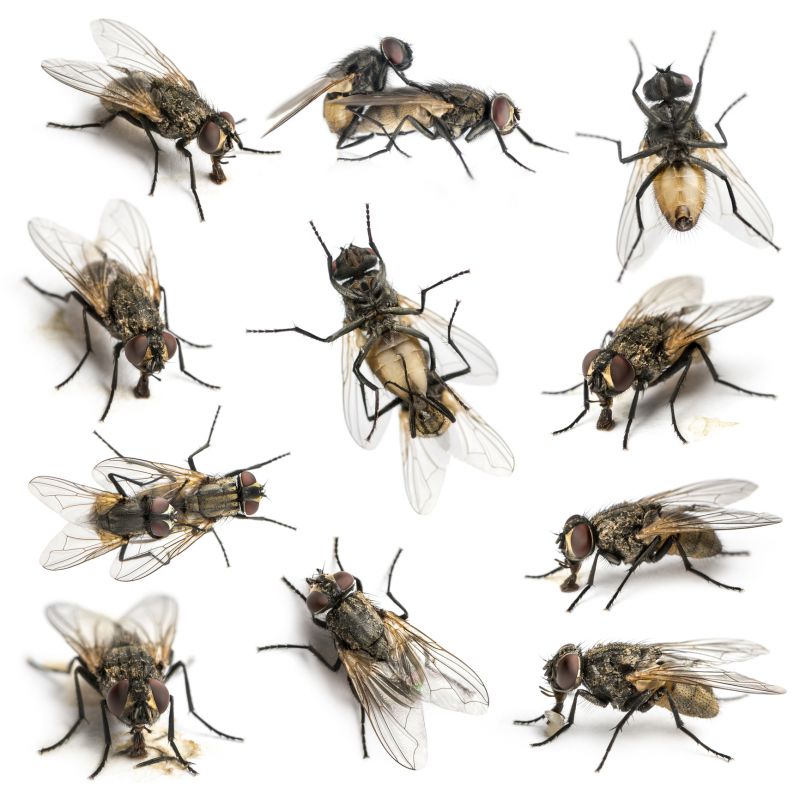
Fly infestations can become a common concern for property owners dealing with lingering pests in residential or commercial spaces. These insects often appear around trash areas, decaying organic matter, or damp environments, making it important to address the issue promptly to maintain a clean and comfortable property. Local contractors who specialize in fly extermination are equipped to assess the situation and implement targeted solutions to reduce or eliminate these nuisances effectively.
Homeowners and business owners may seek fly extermination services when they notice an increase in fly activity or experience recurring infestations despite cleaning efforts. Factors such as open windows, improperly stored waste, or moisture buildup can attract flies, prompting property owners to look for professional assistance. Service providers in the area can help identify the sources of the problem and apply appropriate treatment methods to restore a pest-free environment.
What are common signs of a fly infestation? Signs include increased fly activity around windows, doors, or trash areas, visible fly swarms, and the presence of fly larvae or maggots in food or garbage bins.
How do local contractors typically eliminate fly infestations? They often use a combination of sanitation, fly traps, and targeted treatments to reduce fly populations and prevent future infestations.
Are there specific areas where flies tend to breed indoors? Yes, flies often breed in moist, organic material such as trash bins, drains, compost piles, and spilled food or liquids.
Can fly infestations be prevented in the future? Proper sanitation, regular cleaning, and securing trash containers can help reduce the likelihood of future fly problems.
How do service providers determine the best approach for fly extermination? They assess the severity of the infestation, identify breeding sites, and recommend the most effective treatment methods based on the situation.
Fly Infestation Prevention Tips - Property owners can learn how to reduce attractants around their homes to minimize fly populations and discourage infestations.
Identifying Fly Breeding Sites - Guidance on recognizing common areas like trash bins or standing water where flies may lay eggs helps in early detection.
DIY Fly Control Strategies - Practical advice on maintaining cleanliness and using natural deterrents can support ongoing fly management efforts.
Choosing Professional Extermination - Information on when to seek help from local contractors ensures effective removal of persistent fly problems.
If you are thinking about Fly Infestation Extermination for a property, this guide is meant to help you understand the work, the typical project types, and how different options might fit your plans.
When you are ready, you can use the quote form on this page to share a few details about your project. From there, local pros can review the basics and respond with options that match what you have in mind.